Purpose-built cables since 2002
Strength andflexibility inone strand.
Linden Photonics designs and manufactures miniature, high-strength fiber optic, hybrid and specialty copper cables for places where ordinary cable fails — the deep ocean, the flight deck, the drone tether and orbit.
- Patented LCP technology6 US patents
- Customers in 34 countriesOn all 7 continents
- 624 catalog specsPlus custom designs
- Tested to recognised standardsNASA, ESCC & SAE AS5382
- Made in Westford, MASince 2002
Outside diameter of our thinnest STFOC, rated at 20 lbs tensile
Continuous STFOC lengths, with precision packs delivered at 30 km
Breaking strength at the top of our range — and from 50 lbs at the bottom
Custom short-run minimums, so a prototype doesn’t need a full production order
Product families
Thirteen ways to protect a fiber
It starts with a patented Liquid Crystal Polymer jacket, then changes what matters for the job: buoyancy, strength, temperature, radiation or the conductors riding alongside.
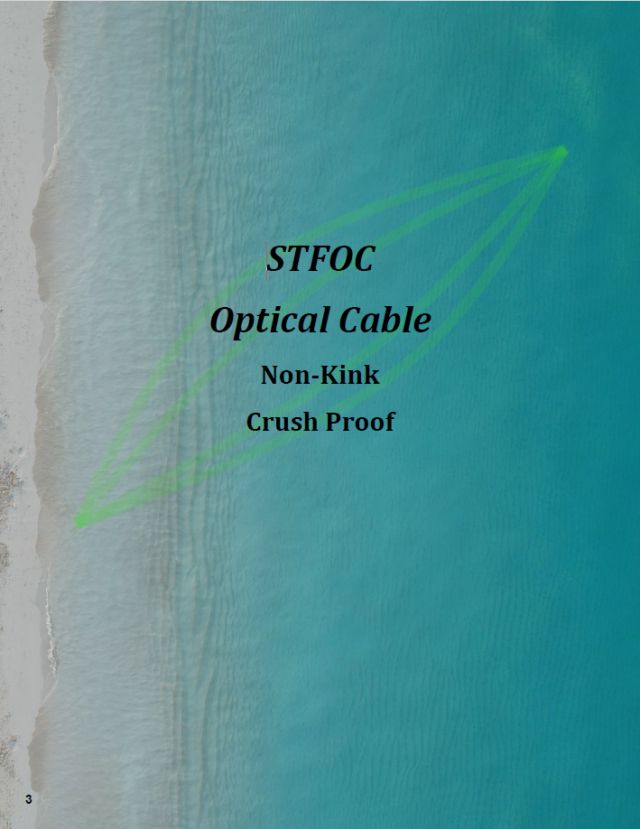
STFOC
Non-Kink, crush proof single-channel cable
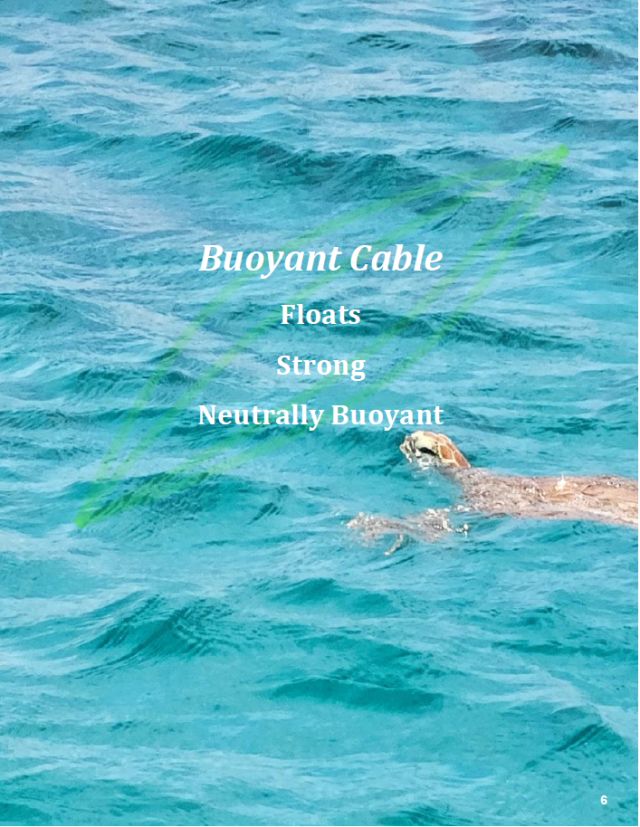
Buoyant cable
Floats, strong, neutrally buoyant
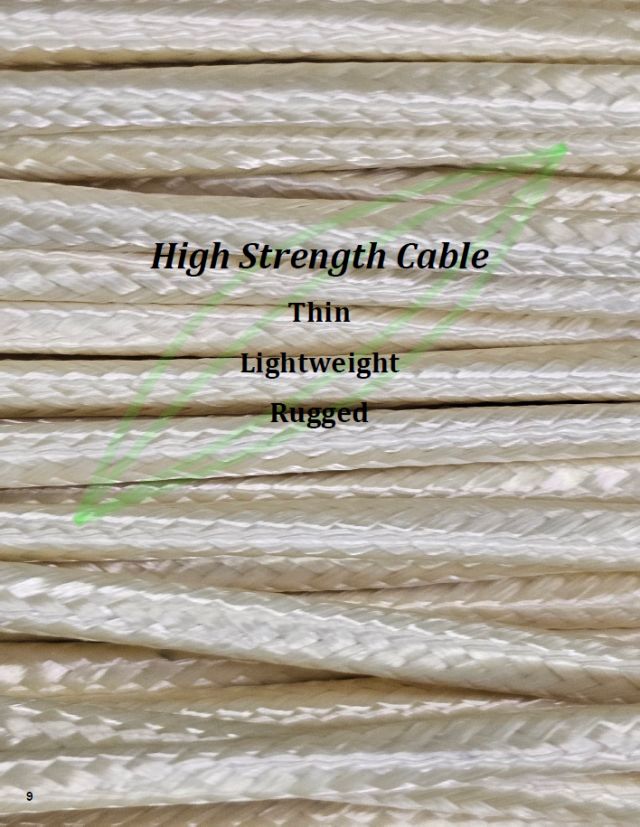
High strength cable
Thin, lightweight, rugged
Hybrid cables
Fiber and copper in one robust jacket
MicroTethers
Power and optics for drones and aerostats
AVNOC avionic cable
Avionic, simple design, improved performance
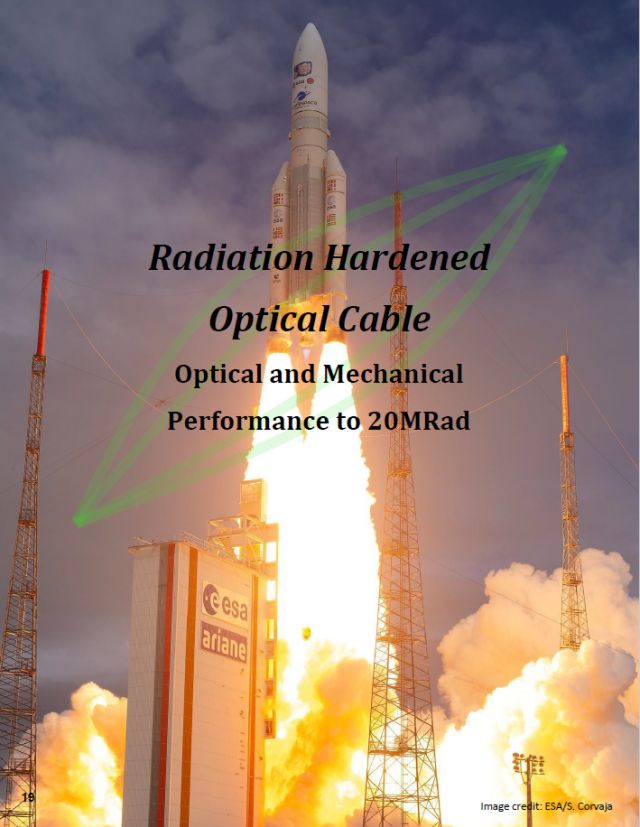
Radiation hardened
Optical and mechanical performance to 20 MRad
Precision wound spools
Tangle free, internal deployment
Gel-filled loose tube
1 to 12 channels, lightweight and flexible
Specialty copper
Buoyant designs, built to last
Ribbon cables
High temperature, robust, simple design
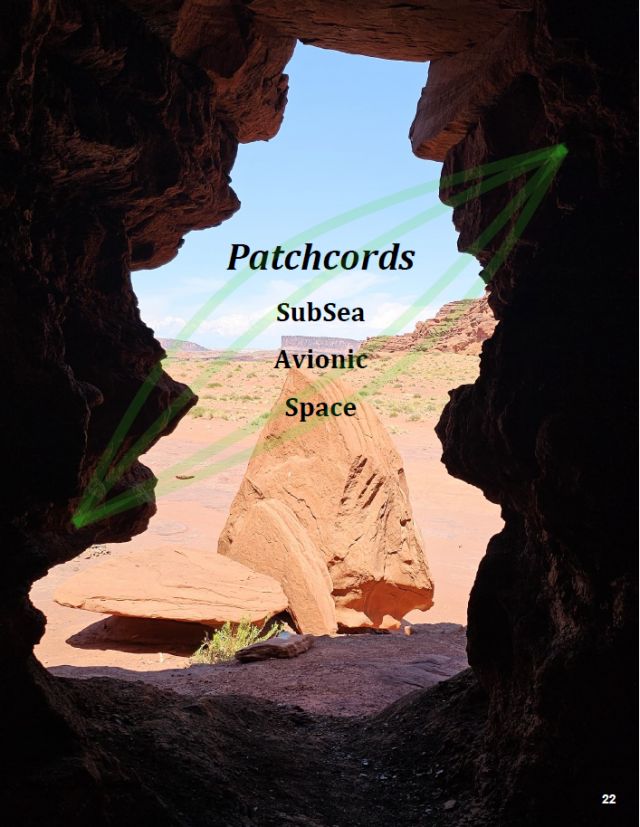
Patchcords
Subsea, avionic and space assemblies
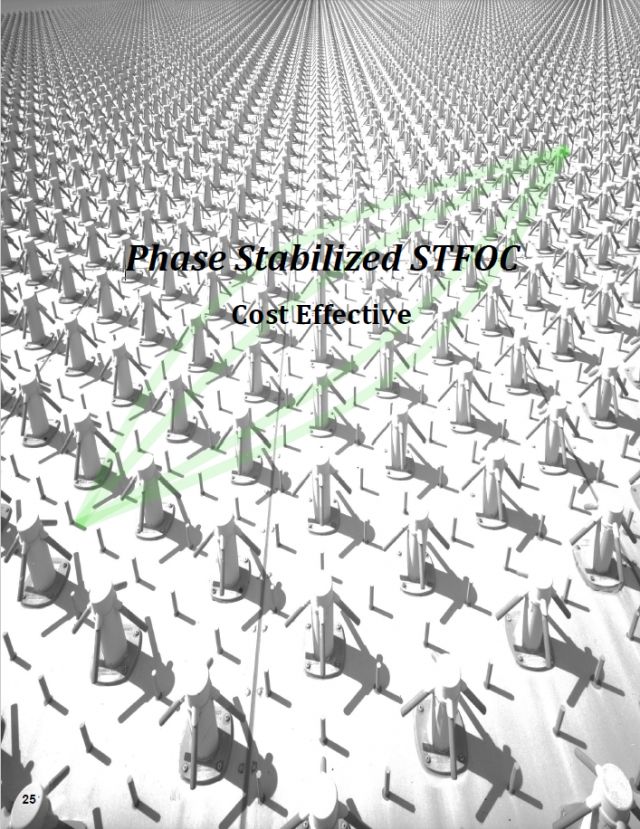
Phase stabilized STFOC
Cost effective, negative TCD available
Anatomy of a Linden cable
Scroll to strip the cable
Every Linden construction is built in layers, each chosen for the job. Keep scrolling to peel them back, from the outer jacket to the fiber at the core.
Markets
From the seabed to the flight deck
Linden cables are in service in 34 countries across all seven continents — wherever a link has to survive pressure, payout, radiation or heat.
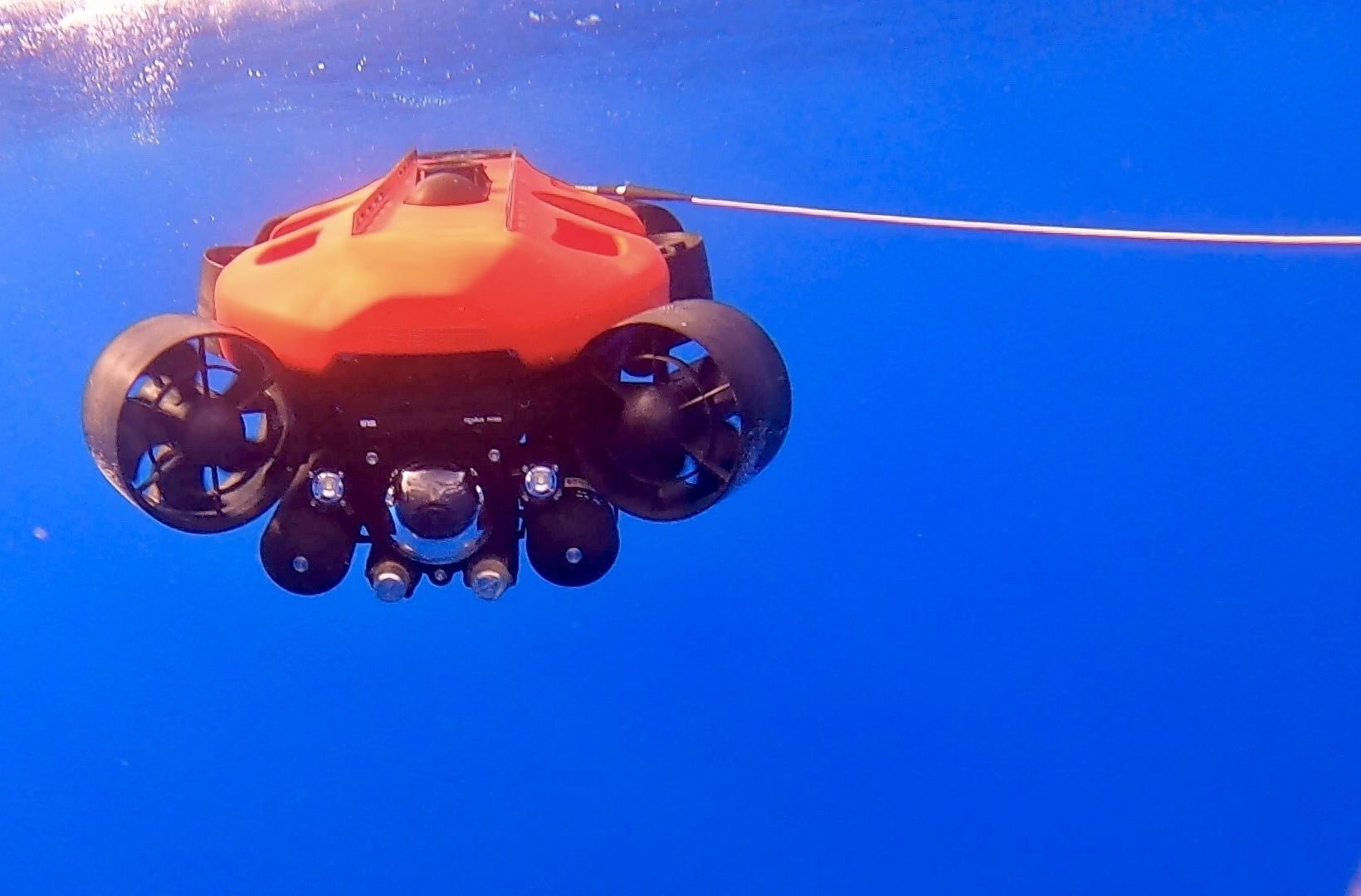
ROV Cables
Tethers from positive to neutral or negative buoyancy.
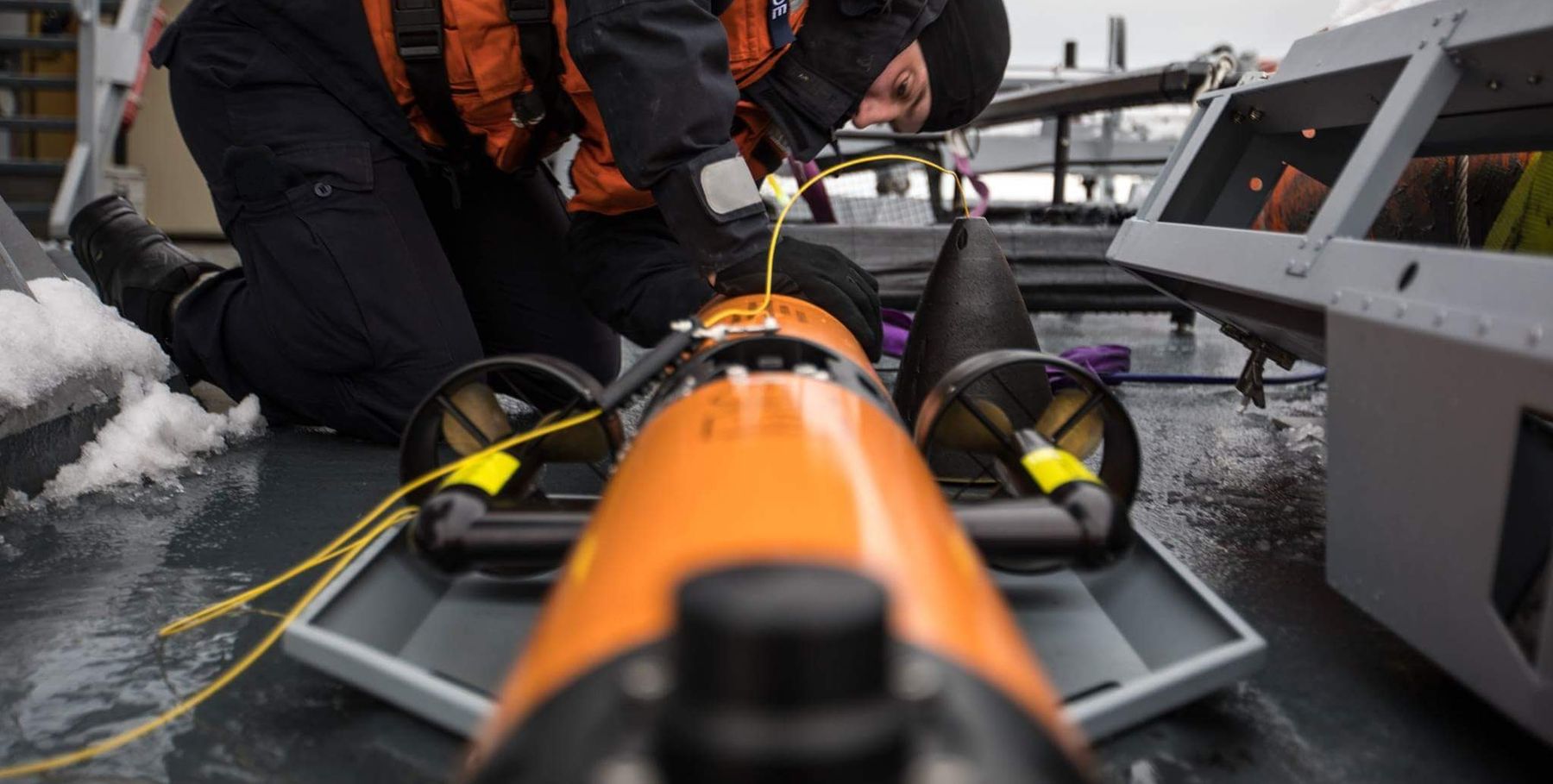
Defense
STFOC was developed under Navy contract as a fiber optic torpedo tether and is used worldwide by several navies.
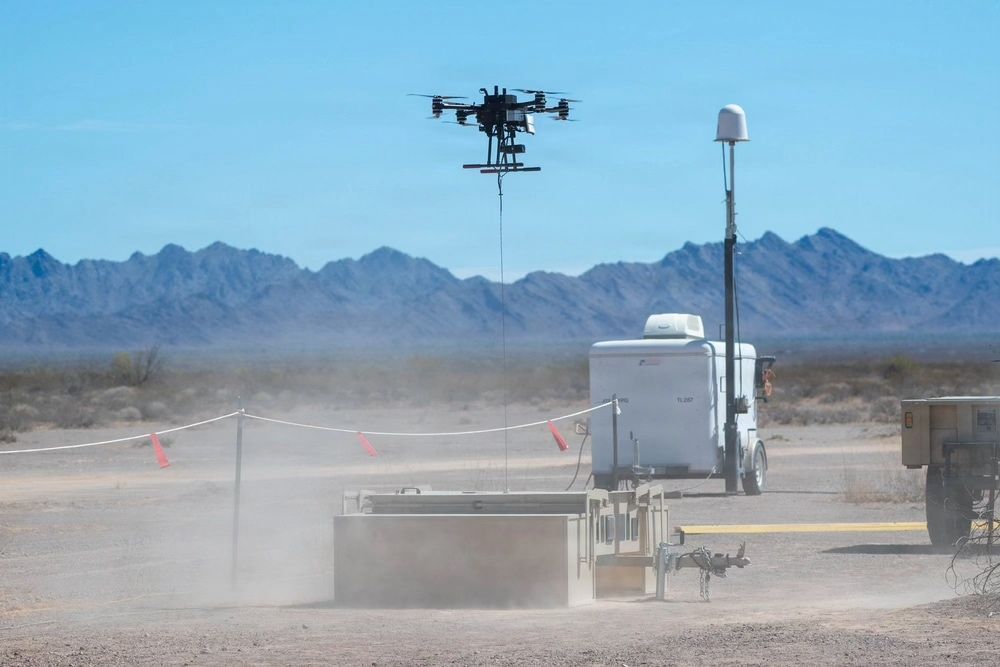
Drones & Aerostats
From high-strength aerostat anchors in high winds to the thinnest drone tethers.
Aerospace
AVNOC survives aircraft heat, vibration and extreme flexing.
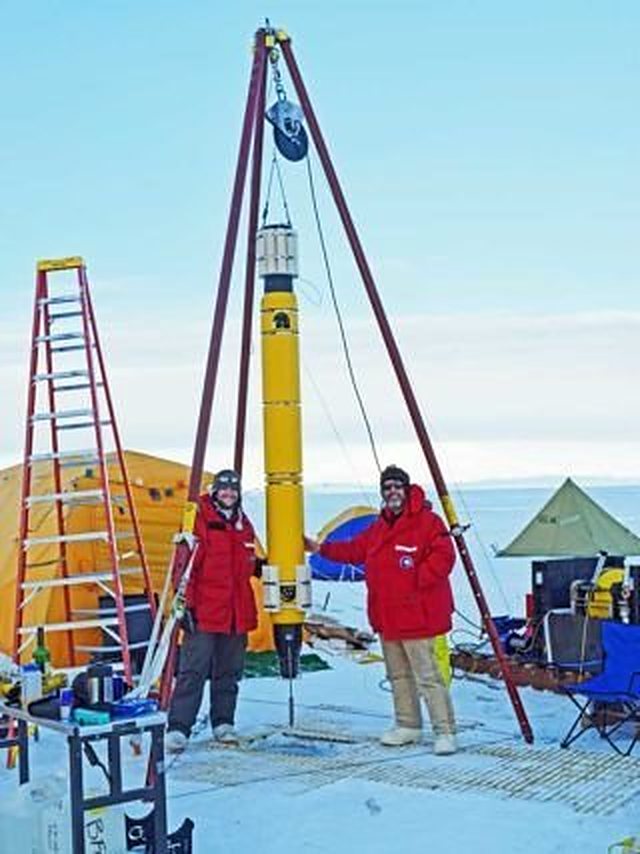
Marine / Subsea
Lightweight buoyant designs for munitions tethers, ROV controls and mooring buoys.
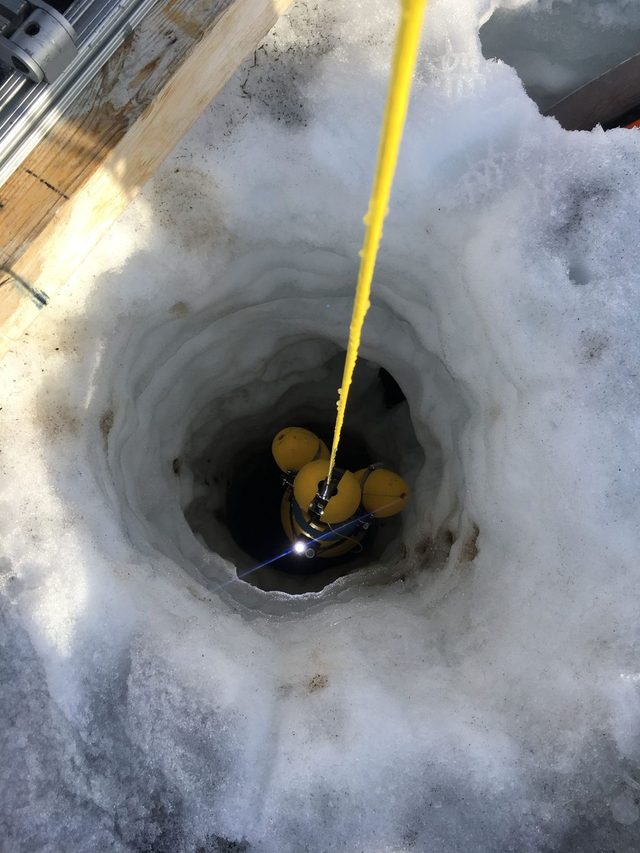
Marine Research
Cables that have been to the deepest ocean and under Antarctic ice shelves.
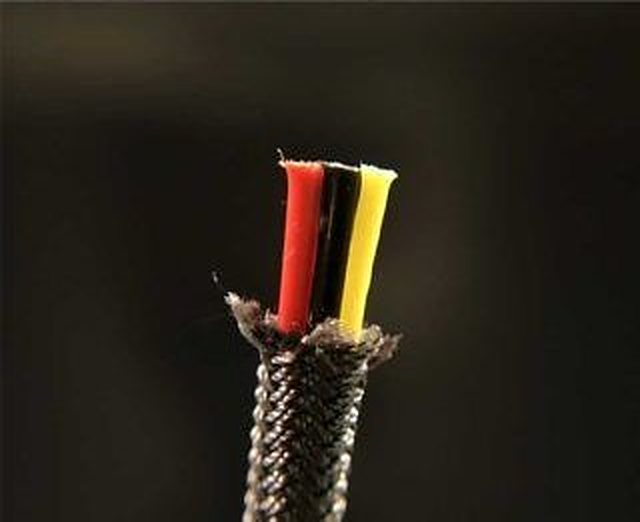
Robotics
Long-term performance for flexing, strength and bend radius.
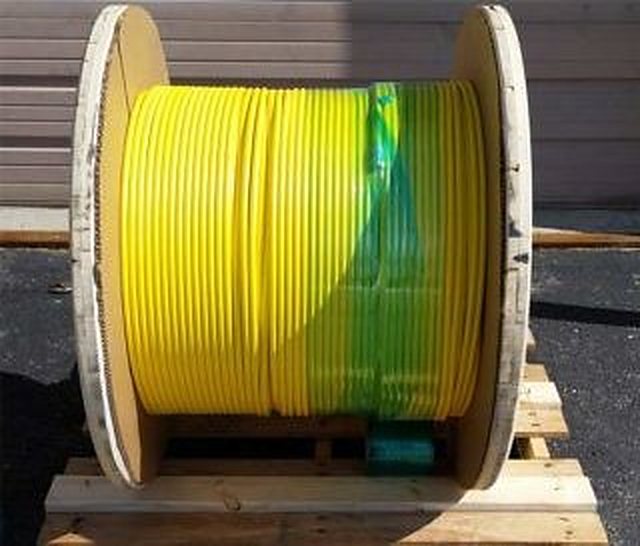
Oil & Gas
Specialty data and power cables for borehole seismic and marine work.

Entertainment
Strong, thin, light, crush-proof fiber and hybrid cable.
Seven continents
From Westford to the Weddell Sea — and on to Jupiter
Customers in 34 countries rely on Linden cable. Spin the globe, or pick a place to follow the link from our headquarters.
Proven in the field
If you can get to Jupiter, you can do anything
A few of the places our cables have been asked to keep someone connected.
On its way to Jupiter
Linden STFOC optical fiber assemblies fly with the scalar magnetic field sensor exploring Jupiter’s icy moons.
Read the paper (PDF)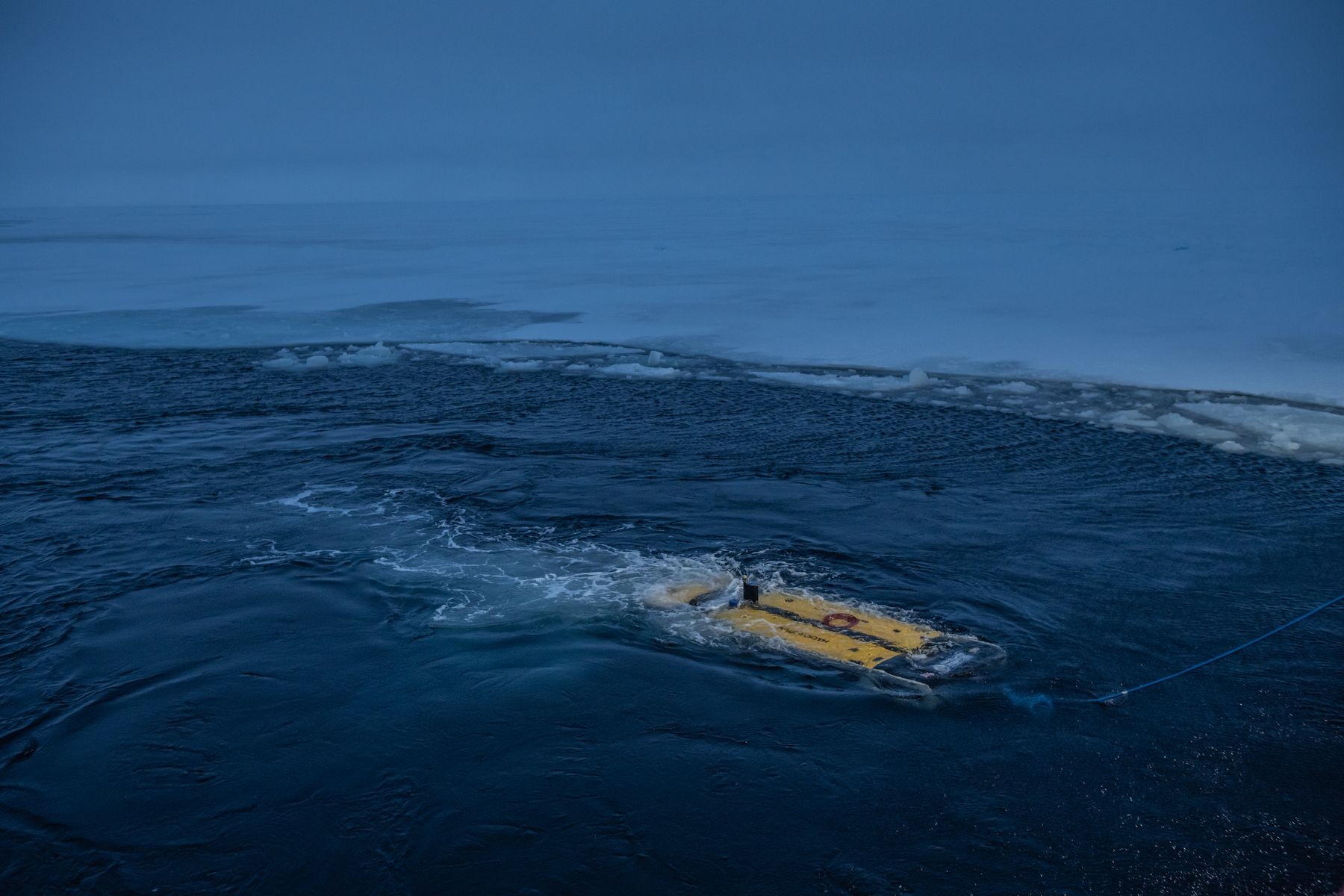 Photo © Esther Horvath / Falklands Maritime Heritage TrustWeddell Sea, Antarctica
Finding Shackleton’s Endurance
The expedition that located the wreck of the Endurance did it on a Linden fiber optic cable.
Read the storyFrom the engineering desk
Latest articles
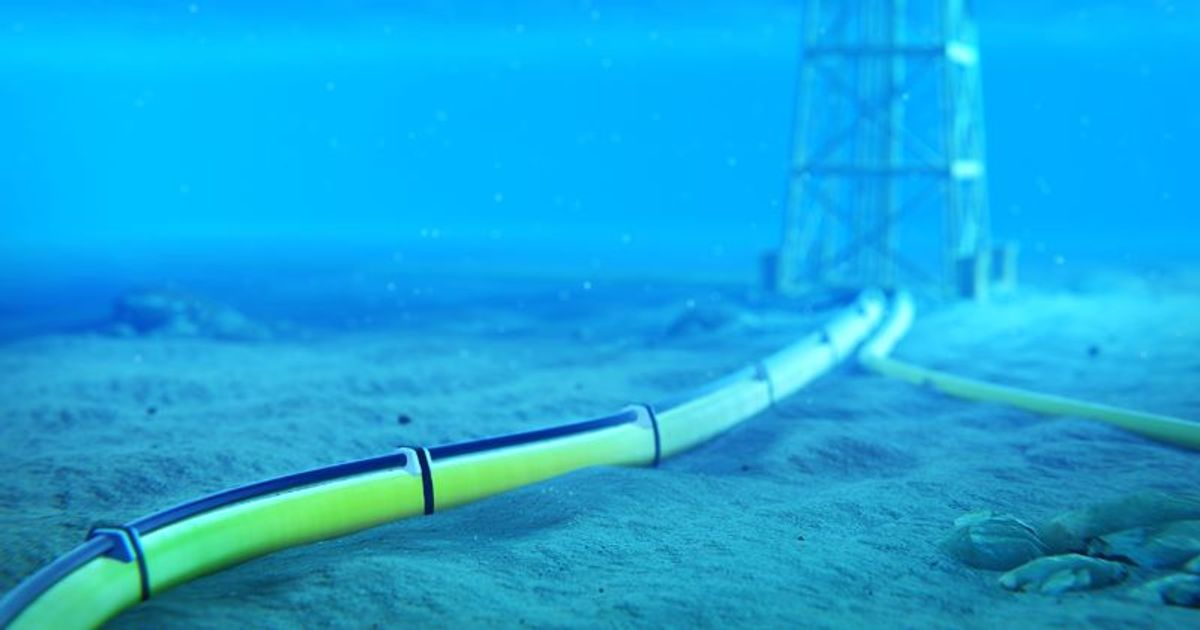
Underwater Cable Entry Points: Planning Seals, Feedthroughs, and Housing Interfaces
Linden blog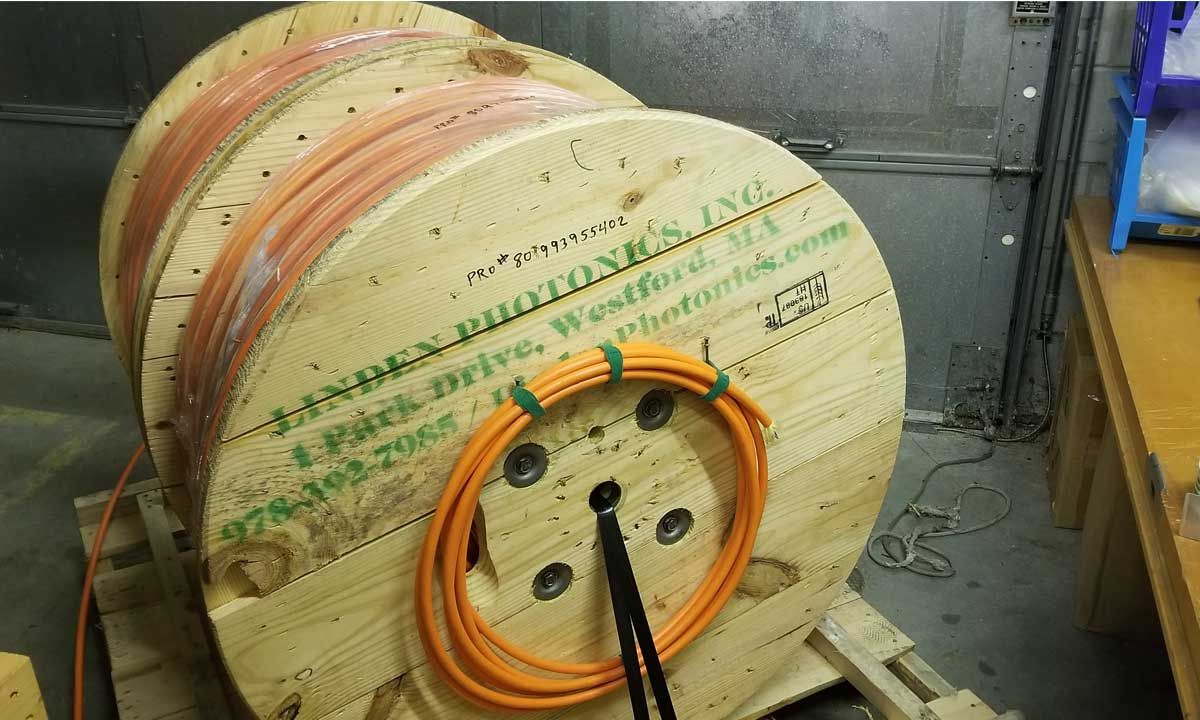
Fiber Optic Cable Length Tolerances: Avoiding Fit Problems in OEM Assemblies
Linden blog
Hybrid Cable Breakouts: Making Optical and Electrical Connections Easier to Service
Linden blog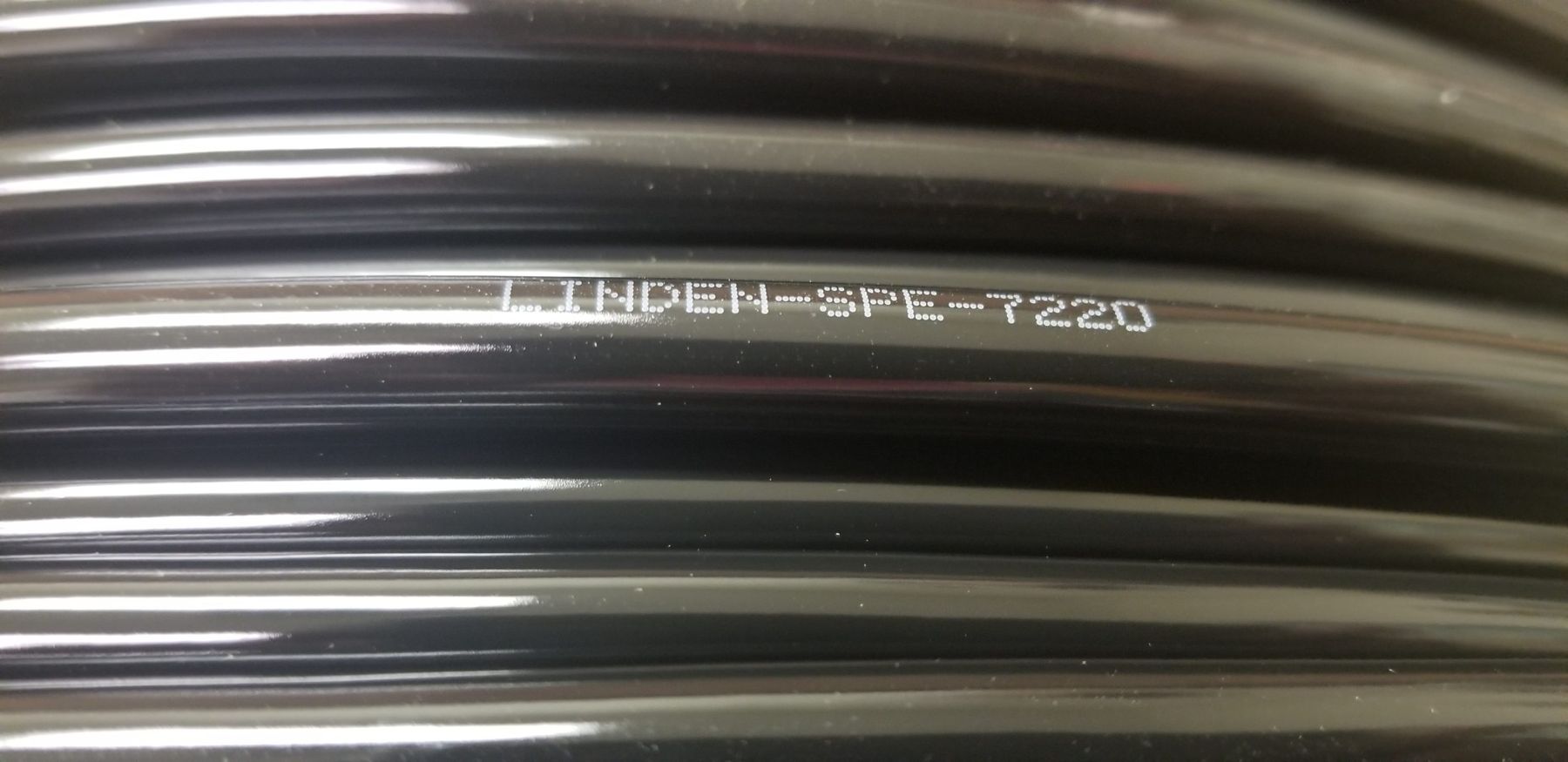
From Prototype to Production: What to Consider When Developing a Custom Fiber Optic Cable
Linden blog
Have an application in mind?
Tell us what the cable has to do — the environment, the load, the length — and our engineers will recommend a catalog cable or design one for you. Short runs from 300 m.